Tokenizing real-world assets without the theatre
RWA programs fail on operations, not on smart contracts. A practical checklist from building Teralis.

Almost every failed RWA pilot we have reviewed shipped a perfectly reasonable token contract. What they lacked was the boring layer: custody attestation, transfer-agent workflow, redemption mechanics and an investor register that survives an audit.
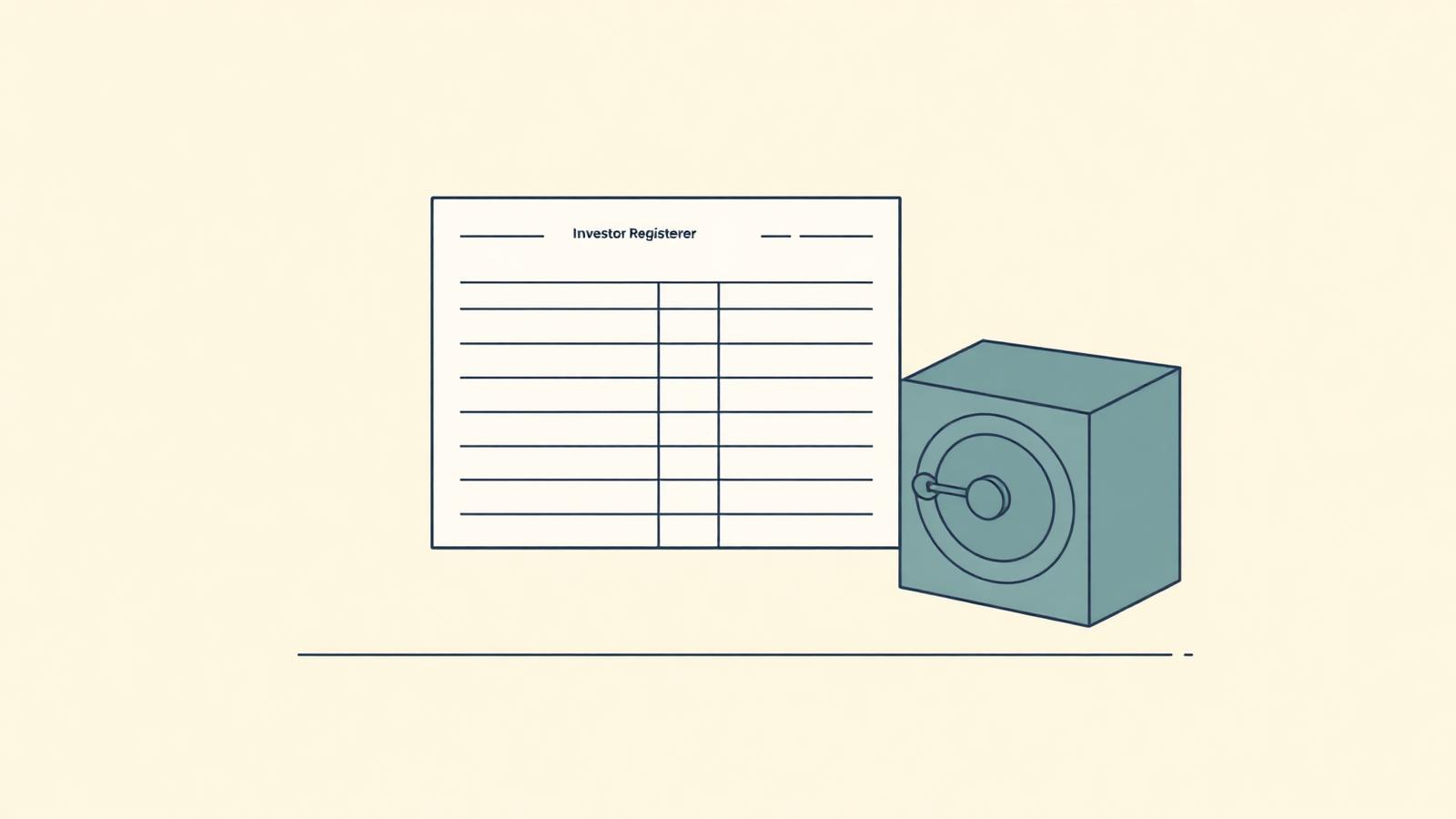
Teralis starts from the register, not the token. The token is a projection of an off-chain ownership record that legal counsel already recognises, which means transfers, freezes and corporate actions have a defined path on both sides.
Second, price the operating cost honestly. Valuation refreshes, KYC re-checks and reporting cadence are recurring obligations. If an issuance cannot fund those for its full term, it should not be tokenized yet.
Third, design redemption before issuance. Liquidity narratives collapse the moment the first holder wants out and nobody defined who buys.
Subscribe to the briefing
New notes on AI agents, RWAs and immersive computing — monthly.